
Who really controls your data once it moves to the cloud? Digital control has become a defining issue in cloud strategy. As regulatory expectations tighten and geopolitical dynamics reshape global operations, organizations are being forced to rethink who governs their data, how infrastructure is operated, and which jurisdictions ultimately hold authority over critical workloads. Sovereign cloud has emerged as a direct response to this new reality, shifting cloud decisions from technical optimization to strategic control. In this blog, we take a look at what Sovereign Cloud really means, why its relevant now and how we can help with Google Distributed Cloud.
Gain sovereignty over your cloud with niveus
The numbers tell the story clearly. The sovereign cloud market is expected to grow from USD 111.41 billion in 2025 to USD 941.10 billion by 2033, (refer fig 1) representing a CAGR of more than 30 percent¹. This growth reflects a fundamental change in enterprise priorities, where control and trust are becoming as critical as performance and scale.
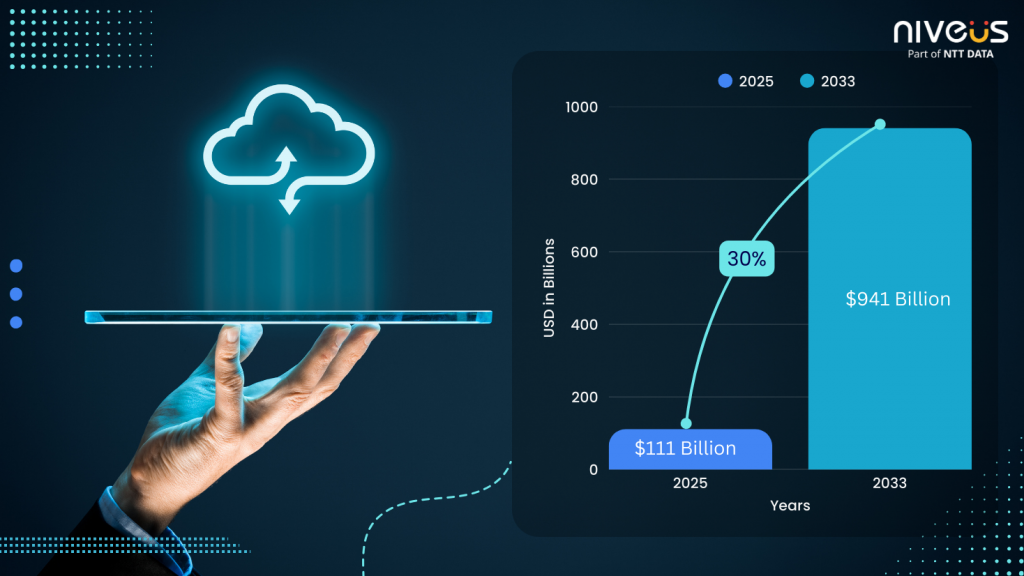
Fig 1: Projections for the sovereign cloud market in the next decade
What Sovereign Cloud Really Means Today
At its core, sovereign cloud is about control over data, infrastructure, and operations within a defined legal jurisdiction. ISG defines it as a cloud model exclusively controlled by an enterprise or a trusted provider to ensure compliance with local data sovereignty and privacy laws². This approach limits exposure to cross-border data transfers and reduces risks associated with foreign government access.
From an IT standpoint, sovereign cloud has matured into a platform-based model. It addresses regulatory mandates such as GDPR and CCPA while supporting broader digital transformation goals. Compliance has become a strategic investment area, with 33 percent of enterprises (refer fig 2) ranking legal and regulatory data compliance among their top funded initiatives in 2025³. Sovereign cloud is now central to maintaining stakeholder trust and protecting sensitive workloads.
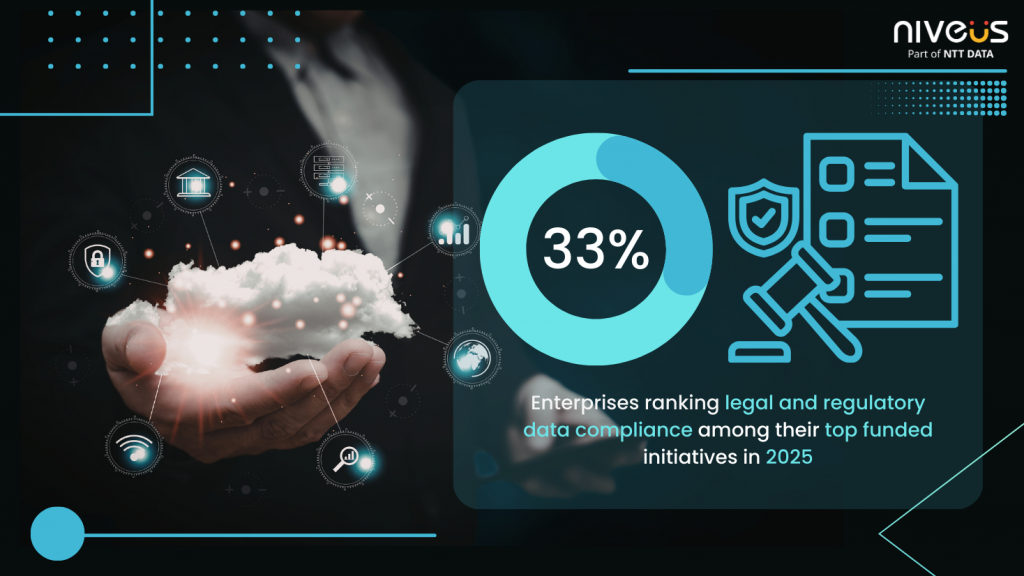
Fig 2: One-third of surveyed enterprises ranked legal and reggulatory compliance as a top funded initiative
Governments are reinforcing this direction. By 2028, 65 percent of nations (refer fig 3) are expected to implement formal digital sovereignty strategies built on three pillars, namely-⁴.
Technological sovereignty: Enables inspection, escrow, or replication of cloud stacks to reduce dependency on foreign vendors.
Data sovereignty: Ensures all data remains within national borders under locally controlled encryption.
Operational sovereignty: Restricts system administration to personnel governed by local law.
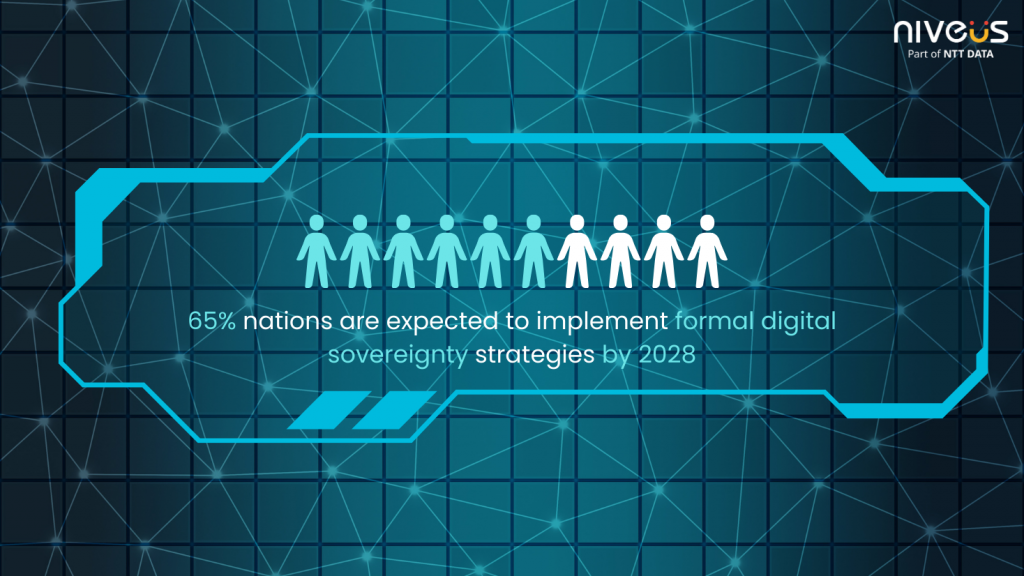
Fig 3: More than half of the world’s nations will be expected to implement formal digital sovereignty strategies by 2028
Why Enterprises Are Acting Now
Analysts and industry leaders agree that sovereign cloud adoption is accelerating. Gartner predicts that over 50 percent of multinational organizations (refer fig 4) will have digital sovereign strategies by 2029, up from less than 10 percent in 2025⁵. AI adoption, stricter privacy regulations, and geopolitical risk are pushing enterprises to protect data and infrastructure from external jurisdictional control.
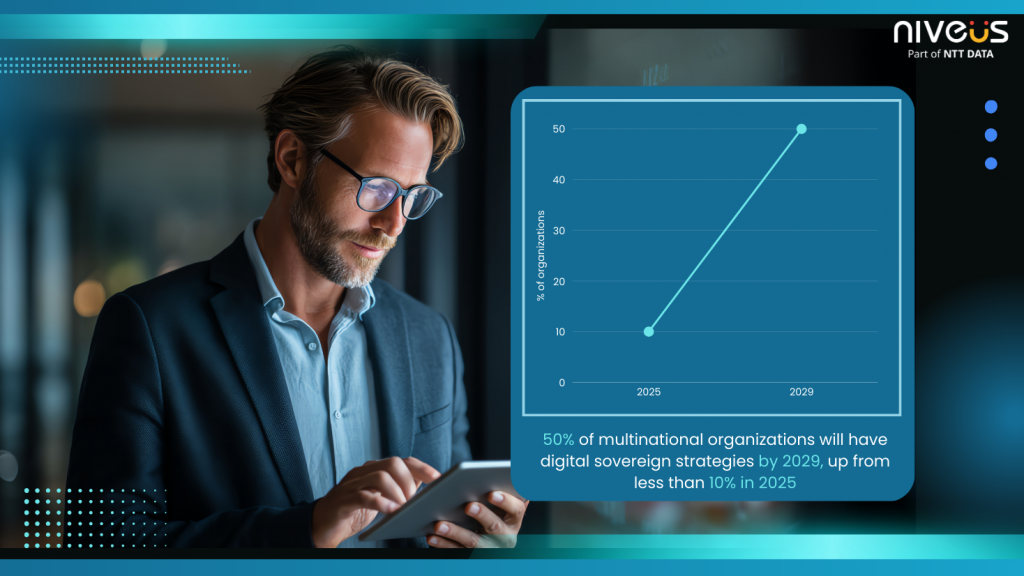
Fig 4: A 400% growth expected in percentage of MNCs with sovereignty strategies by 2030
At the same time, sovereign cloud is converging with multi-cloud strategies. Organizations are seeking flexibility while avoiding vendor lock-in and single-country exposure. According to research, 58 percent of enterprises (refer fig 5) now view sovereign cloud capabilities as a baseline requirement rather than an optional feature⁶.
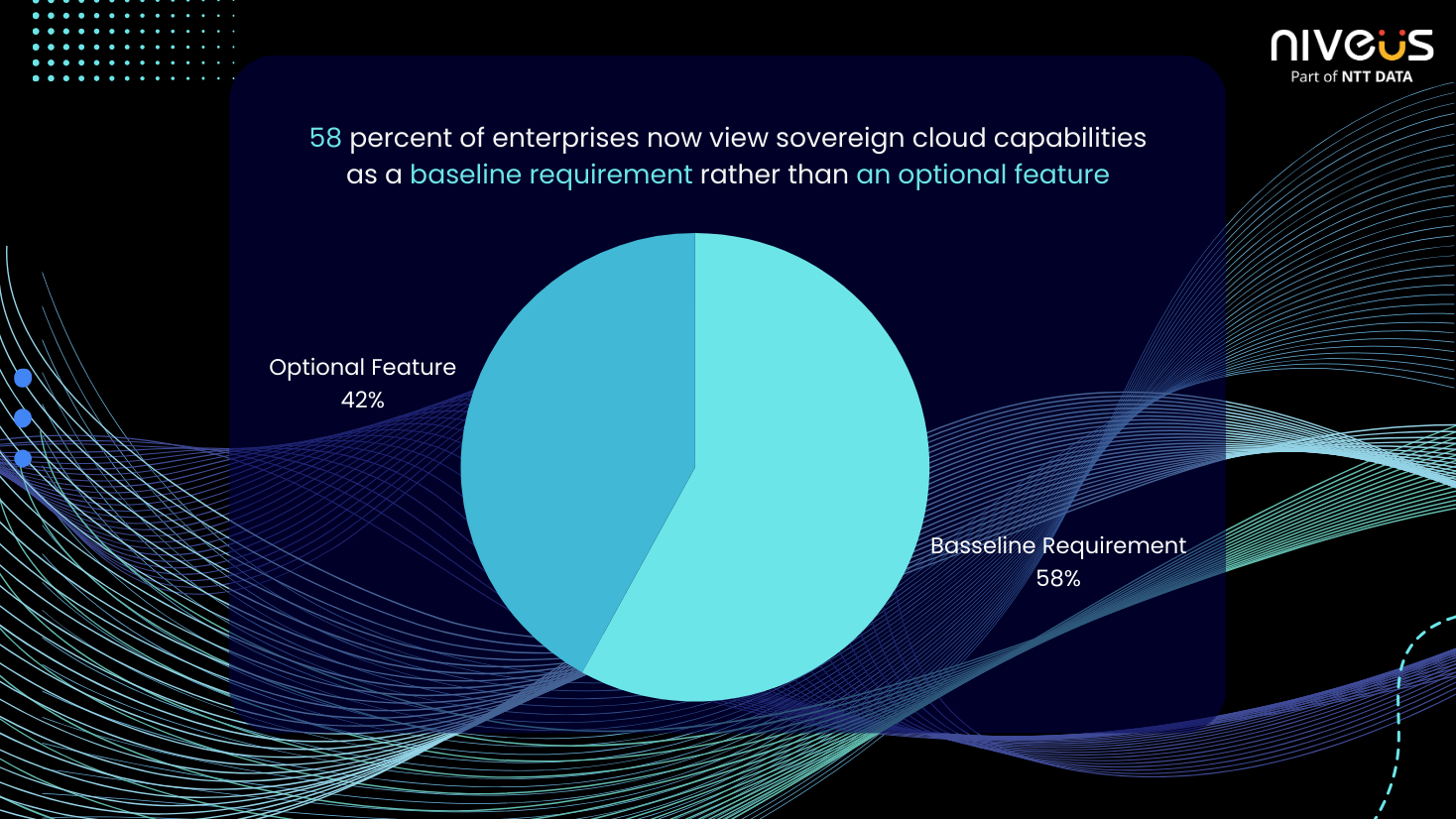
Fig 5: More than half of surveyed enterprises view sovereign cloud capabiilites as a baseline requirement
Trust in security and compliance is considered essential by 72 percent of organizations, while 63 percent (refer fig 6) require data centers to be located within their legal jurisdiction. Importantly, enterprises are willing to invest. Nearly all surveyed organizations indicate a readiness to pay a premium for sovereign cloud offerings, with many accepting surcharges of up to 20 percent⁶. Sovereignty is no longer perceived as a cost overhead. It is viewed as a strategic safeguard against regulatory, operational, and geopolitical risk.
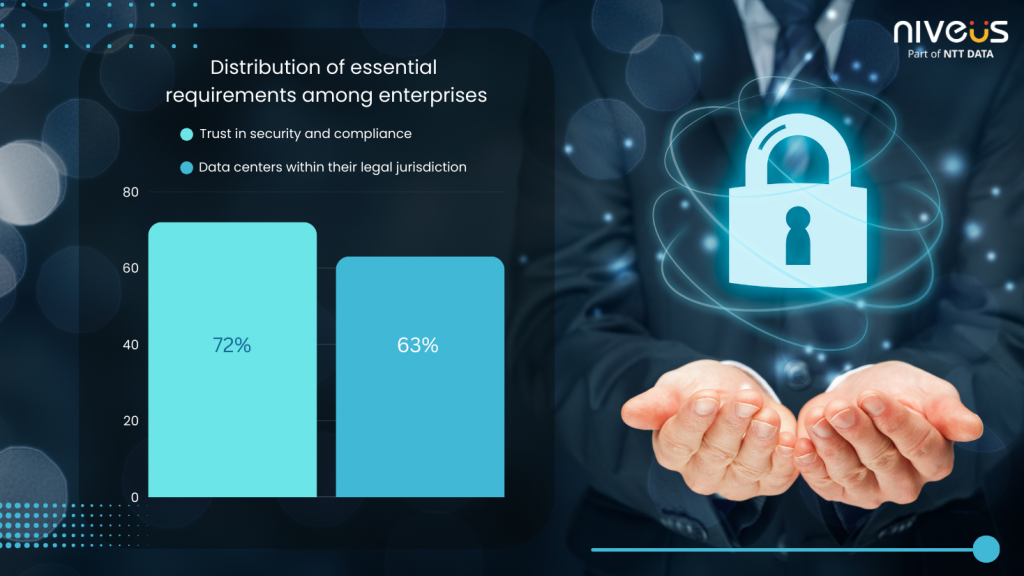
Fig 6: Enterprises name trust in security compliance and the location of their data centers being within legal jurisdiction as essential requirements to consider when choosing cloud service provides
From Compliance to Competitive Advantage
As the sovereign cloud market matures, success depends on clarity. Enterprises must distinguish what is technically possible from what is operationally and legally relevant for their specific environment. Evaluating platforms, governance models, and partner ecosystems is critical to achieving true sovereignty rather than symbolic compliance.
Sovereign cloud has evolved beyond data location alone. It now represents control, accountability, and resilience in an increasingly fragmented digital world. Organizations that approach it strategically will be better positioned to protect trust, enable innovation, and sustain long-term growth.
Google Distributed Cloud: Take Control Without Compromise
Google Distributed Cloud is designed for organizations that need cloud innovation without surrendering control. It allows enterprises to deploy and operate cloud services in sovereign, disconnected, or customer-controlled environments while meeting strict data residency, security, and regulatory requirements. By keeping sensitive workloads within defined jurisdictions and under local operational governance, organizations can reduce exposure to geopolitical risk and regulatory uncertainty while maintaining consistency with their broader cloud strategy.
Niveus helps organizations design and implement sovereign cloud architectures using Google Distributed Cloud that prioritize data residency, operational control, and regulatory compliance. By aligning GDC capabilities with local jurisdiction requirements, Niveus enables secure, governed environments for sensitive and regulated workloads. Our expertise ensures enterprises achieve sovereignty without compromising scalability, resilience, or innovation. Ready to take control of your cloud strategy? Contact us.
Appendix: References
- SNS Insider, Sovereign Cloud Market Report 2025–2033
https://www.snsinsider.com/reports/sovereign-cloud-market-9077 - ISG Research, Definition of Sovereign Cloud https://research.isg-one.com/buyers-guide/information-technology/cloud-and-infrastructure/sovereign-cloud-platforms/2025
- ISG, Data and AI Market Lens Study 2025
https://research.isg-one.com/buyers-guide/information-technology/cloud-and-infrastructure/sovereign-cloud-platforms/2025 - BCG, The Price of Cloud Sovereignty
https://www.bcg.com/publications/2025/cloud-cover-price-sovereignty-demands-waste - Gartner, Top Trends Shaping the Future of Cloud
https://www.gartner.com/en/newsroom/press-releases/2025-05-13-gartner-identifies-top-trends-shaping-the-future-of-cloud - Cloud Monitor 2025
https://kpmg.com/de/en/home/insights/2025/09/cloud-monitor-2025.html