


Mobile app development today is not just about delivering applications faster; it is about balancing speed, scalability, maintainability, and long-term product flexibility. Low-code platforms like FlutterFlow simplify UI development and accelerate MVP launches. FlutterFlow also enables faster stakeholder feedback cycles through visual development and rapid UI iteration, helping teams validate ideas more efficiently. Meanwhile, Flutter provides deeper architectural flexibility for highly customized and complex application ecosystems.
Choosing between FlutterFlow and Flutter depends on factors such as project complexity, customization requirements, development timelines, team expertise, and long-term scalability goals. In this blog, we compare both approaches across development speed, architecture, performance, customization, and maintainability.
Reimagine test automation with Niveus
Low-code and no-code platforms are increasingly becoming part of modern software development strategies. According to industry reports, 84% of tech leaders believe AI will not replace these platforms, highlighting the growing demand for faster and more scalable application development. As businesses balance speed, scalability, and long-term maintainability, choosing between FlutterFlow and Flutter has become an important strategic decision for modern app development.
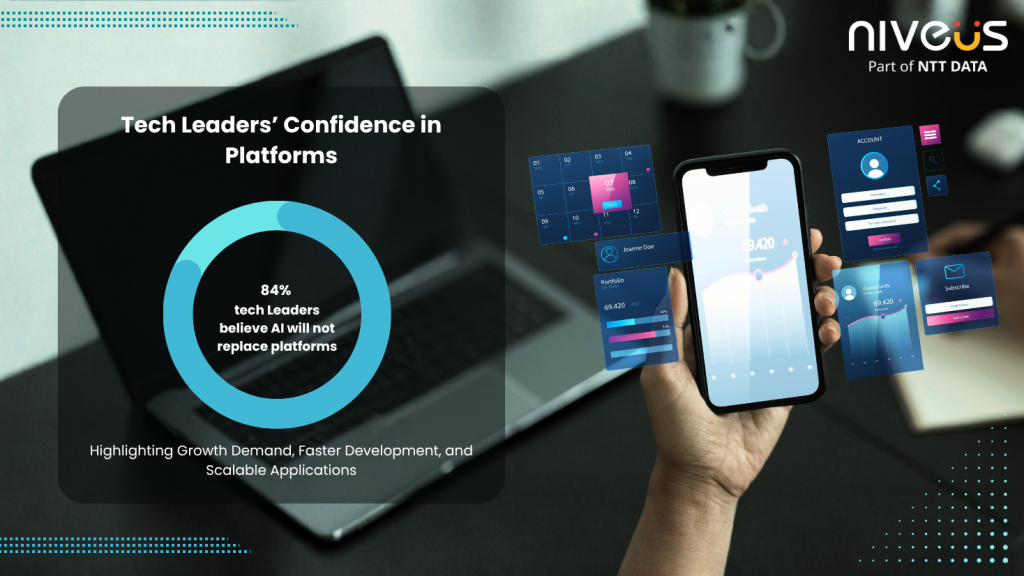
Fig 1: Visual Illustration of A Strategic Decision for Modern App Development
Speed vs Control: Rethinking Development Velocity in Modern App Teams
| Factor | FlutterFlow | Flutter |
| Development Speed | Rapid UI development and faster MVP delivery | Greater implementation flexibility with manual development |
| Learning Curve | Visual low-code approach with reduced setup effort | Requires stronger programming knowledge and framework understanding |
| Customization | Suitable for standard app flows and integrations | Greater flexibility for custom features and complex logic |
| Performance Optimization | Limited low-level optimization access | Full control over rendering and performance tuning |
| Architecture Control | Abstracted architecture with platform-managed workflows | Complete control over app architecture and project structure |
| Maintenance | Faster iteration for simpler applications | More maintainable for large and complex codebases |
Scalability Beyond the UI: Architecture, Performance, and Maintainability
Scalable app development extends beyond building interfaces quickly. As applications evolve, factors such as architecture, performance, maintainability, and integration flexibility play a critical role in long-term product success.
- Backend Integrations and APIs: FlutterFlow accelerates backend integration through support for Firebase, REST APIs, and third-party services, enabling faster development cycles. For applications requiring highly customized backend workflows or complex integrations, traditional Flutter offers greater implementation flexibility.
- State Management Complexity: As applications scale, managing data flow and application state becomes increasingly important. Traditional Flutter supports advanced state management approaches such as BLoC, Riverpod, and Clean Architecture, providing teams with greater architectural flexibility for complex applications.
- Performance Optimization: Applications involving heavy animations, real-time synchronization, or advanced offline capabilities may require deeper performance optimization. Traditional Flutter provides more direct control over rendering behavior and performance tuning when needed.
- Modular and Scalable Architecture: Large-scale applications benefit from modular architectures that simplify feature expansion, testing, and long-term maintenance. Flutter enables teams to implement highly customized architectural patterns based on project requirements.
- Long-Term Maintainability: Low-code platforms can significantly accelerate early-stage development and iteration. Long-term maintainability, however, depends on factors such as project complexity, architecture decisions, scalability requirements, and evolving business needs.
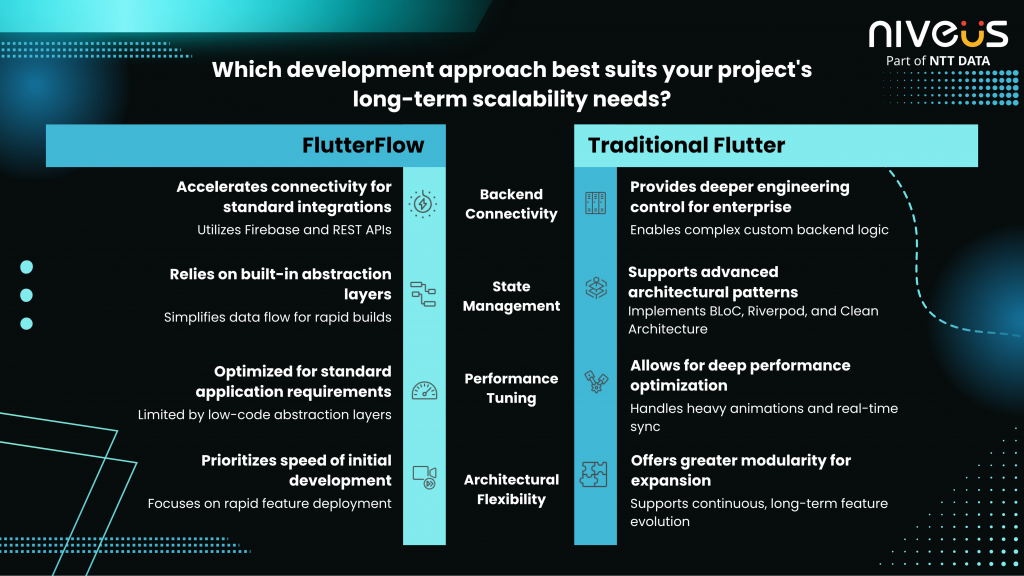
Fig 2: Visual Illustration of Which Development Approach Best Suits Your Project’s Long Term Needs
Customization Boundaries: Where Low-Code Meets Complexity
Low-code platforms are highly effective for accelerating development within well-defined workflows and common application patterns. Challenges can emerge, however, when product requirements evolve beyond standard implementations and demand deeper customization, advanced business logic, or highly tailored user experiences.
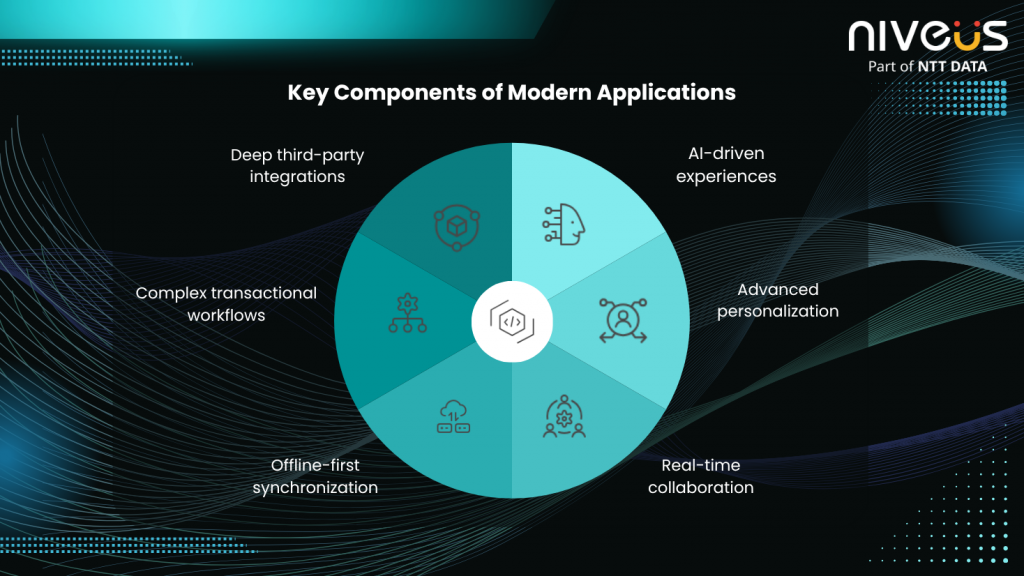
Fig 3: Visual Illustration of Key Components of Modern Applications
These scenarios often highlight the trade-offs associated with abstraction-driven development environments.
FlutterFlow supports custom code extensions and external integrations, helping teams extend platform capabilities when required. As application complexity increases, however, managing hybrid low-code and custom-code workflows can require additional architectural planning and governance.
Traditional Flutter provides direct access to the underlying framework and native platform capabilities, enabling teams to implement highly customized experiences, advanced workflows, and platform-specific optimizations. This becomes particularly valuable for organizations building differentiated digital products where flexibility and control are key requirements.
Total Cost of Ownership: Evaluating Low-Code vs Full-Code Development
- Faster Initial Development Cycles: FlutterFlow helps teams accelerate product development, reduce initial engineering effort, and launch applications more quickly.
- Operational and Maintenance Considerations: As applications evolve, managing a combination of low-code workflows and custom extensions may require additional architectural oversight and maintenance planning.
- Platform Dependency Considerations: Low-code platforms introduce varying degrees of platform dependency, which organizations should evaluate based on their long-term flexibility and customization requirements.
- Migration and Expansion Effort: As business requirements grow, transitioning toward more customized engineering workflows can involve additional development and integration effort.
- Long-Term Engineering Flexibility: Traditional Flutter typically requires higher upfront engineering investment but provides deeper architectural flexibility, customization control, and scalability options over time.
Decision Framework: Choosing the Right Path for Product Growth
There is no universally correct choice between FlutterFlow and traditional Flutter. The right approach depends on factors such as product maturity, development timelines, engineering requirements, scalability goals, and long-term business priorities.
Increasingly, organizations are also adopting hybrid approaches. Some teams use FlutterFlow to accelerate prototyping and UI experimentation while relying on traditional Flutter for large-scale engineering workflows and advanced customization requirements. This allows businesses to combine rapid iteration with architectural control.
Unlike many closed low-code platforms, FlutterFlow also provides access to exportable Flutter code, enabling teams to extend, customize, and evolve applications beyond the visual development environment as requirements grow.
The future of scalable app development will likely involve a combination of low-code acceleration and full-code engineering flexibility. Instead, successful organizations will focus on building adaptable engineering ecosystems that balance speed, flexibility, and long-term scalability.
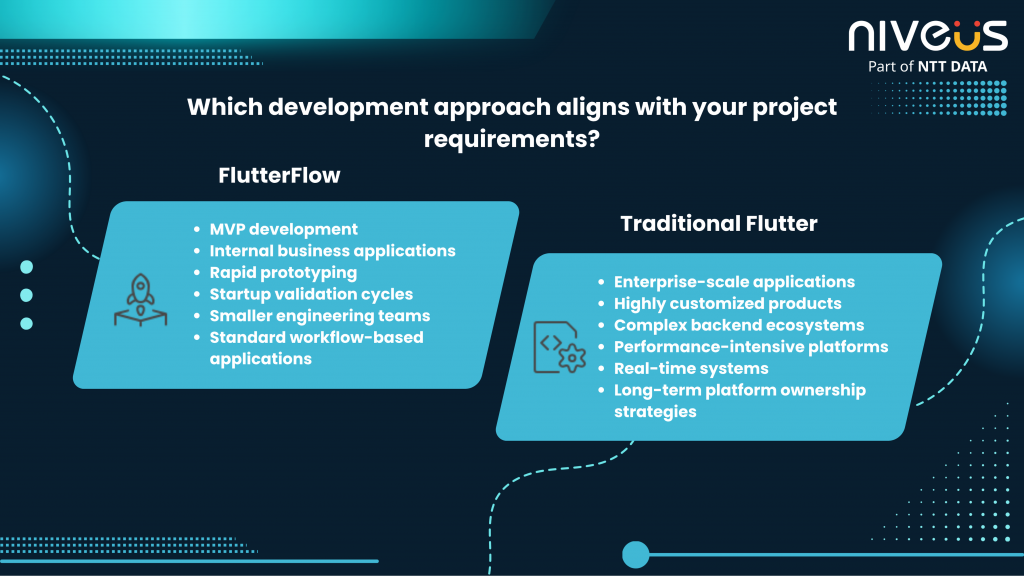
Real-world example:
A leading BFSI organization needed to launch a customer-facing mobile application within a defined timeline while maintaining enterprise-grade security, scalability, and performance standards. The development team used FlutterFlow to accelerate UI development, prototype customer journeys, and streamline early-stage delivery. As the application evolved, Flutter was leveraged to implement secure transaction workflows, custom backend integrations, real-time capabilities, and scalable architectural patterns. This hybrid development approach enabled faster delivery while maintaining long-term flexibility, compliance, and engineering scalability.
Conclusion
The choice between FlutterFlow and traditional Flutter ultimately depends on business goals, product complexity, and long-term growth expectations. FlutterFlow enables faster development cycles and rapid experimentation, while traditional Flutter provides deeper architectural flexibility and customization capabilities for complex application requirements.
As organizations continue balancing speed, scalability, and maintainability, the most effective approach will be choosing a development strategy that aligns with both immediate delivery needs and future product growth.