
Customers rarely remember the moment they clicked “Buy Now.” They remember what happened after. A delayed shipment, a missing package, or a refund that takes weeks can quickly turn a loyal customer into a lost customer. Yet many businesses still rely on outdated support systems that struggle to resolve these issues quickly. Customers get stuck with scripted chatbots. Agents jump between systems searching for answers. Costs rise while satisfaction falls.
Transform Your Post-Purchase Customer Experience
Google Cloud GECX Agent Studio helps businesses move beyond traditional chatbots and build AI agents that can understand customer issues, access business systems, and take action. When paired with strong backend integration, it can help organisations improve support experiences while reducing operational effort. A report shows 88% of customers say the experience a company provides is as important as its products or services (Refer to Figure 1). For e-commerce companies and logistics providers, the post-purchase experience has become a critical factor in customer retention and long-term growth.
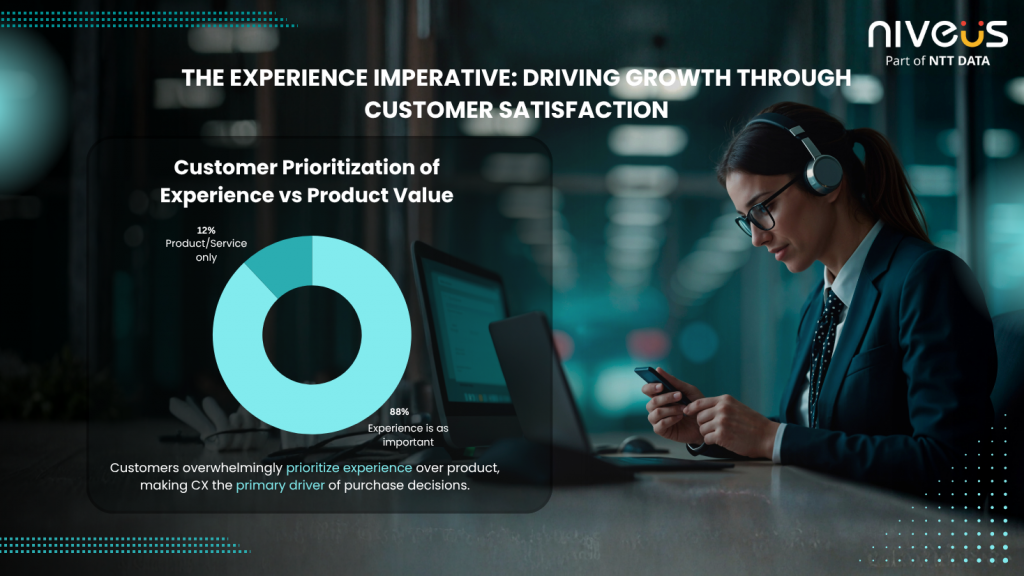
Figure 1: Visual Illustration of Driving Growth Through Customer Satisfaction
Why Post-Purchase Support Has Become a Business Challenge
Customer service teams face increasing pressure after the sale is completed.
Consumers expect instant answers about deliveries, returns, exchanges, and refunds. At the same time, businesses are handling larger order volumes across multiple channels. This combination creates a growing operational burden.
Many organisations still rely on support workflows that were never designed to meet today’s expectations (Refer to Figure 2).
Common challenges include:
- High volumes of “Where is my order?” inquiries
- Slow return and refund processing
- Long wait times during seasonal demand spikes
- Agents switching between multiple systems to resolve a single issue
- Inconsistent customer experiences across channels
- Rising support costs and employee burnout
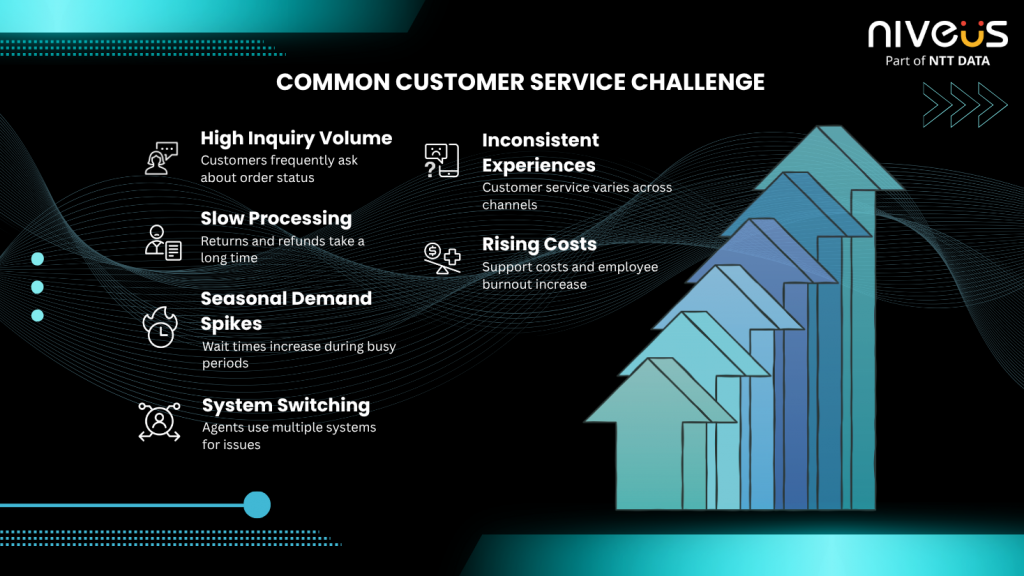
Fig 2: Visual Illustration of Common Customer Service Challenges
The impact extends beyond customer service. When customers cannot resolve an issue quickly, they are more likely to abandon future purchases, leave negative reviews, or switch to competitors. What begins as a support problem soon becomes a revenue problem.
Why Traditional Chatbots Fall Short
Many companies adopted chatbots hoping to reduce support costs and improve responsiveness. While these tools can answer basic questions, they struggle when conversations become more complex.
A traditional chatbot typically follows predefined scripts. It can answer common questions such as store hours or shipping policies. However, when a customer requests a refund, wants to reroute a package, or reports a delivery issue, the chatbot often reaches its limit.
The result is a frustrating experience.
Customers must repeat information when transferred to a human agent. Agents must manually investigate the issue by searching across multiple systems. Resolution times increase, and customer satisfaction declines. The gap between customer expectations and chatbot capabilities continues to widen.
Agentic AI vs Traditional Chatbots
The emergence of agentic AI represents a significant shift in customer support technology.
Instead of simply answering questions, AI agents can reason through problems, access information from connected systems, and complete actions on behalf of users.
| Capability | Traditional Chatbots | Agentic AI with GECX Agent Studio |
| Understand customer intent | Limited | Advanced contextual understanding |
| Handle multi-step requests | Difficult | Designed for complex workflows |
| Access backend systems | Minimal | Connects to multiple enterprise systems |
| Resolve issues independently | Rarely | Can execute actions and workflows |
| Learn from interactions | Limited | Continuously improves performance |
| Support channels | Primarily text | Voice, text, and image interactions |
| Customer effort | High | Significantly lower |
This shift allows businesses to automate tasks that previously required human intervention while maintaining a personalised experience.
The Shift: From Workflow Automation to Agentic Orchestration
Traditional customer experience (CX) automation systems often rely on rigid, rule-based workflows that perform predefined actions in response to specific triggers. This approach can be effective for straightforward, linear processes. However, it tends to fall short after a purchase, when customers interact with businesses across various systems, channels, and dependencies, all happening at once and often unexpectedly.
For example, after a purchase, problems such as delayed shipments, partial orders, refund requests, or unexpected payment issues often arise. Resolving these isn’t as simple as flipping a switch; it takes coordination between logistics, order management, customer support, and more. Most automation systems can’t bridge these gaps, which means resolutions are often slow and experiences feel disconnected.
This problem stands out even more because customer expectations keep rising. 70% of consumers expect seamless channel transitions during conversational encounters.(see Fig. 3). Yet disconnected workflows and siloed systems make this difficult to achieve, leading to repeated interactions and slower resolutions.
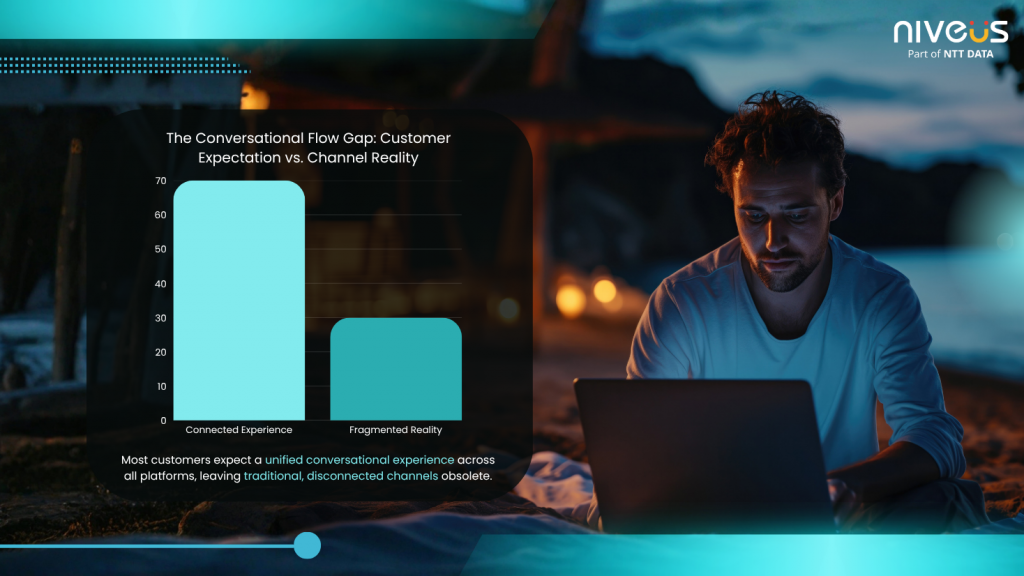
Fig 3: Visual Illustration of the Conversational Flow Gap Between Customer Expectations and Channel Reality
To solve this problem, companies are shifting away from siloed, step-by-step automation and toward smarter, system-wide coordination. Rather than having intelligence locked inside separate workflows, businesses are enabling it to work across all their tools and platforms. This way, instead of just following rigid rules, systems can understand what’s happening, connect the dots between departments, and quickly adapt to whatever the customer needs next.
This shift enables CX systems to move from reactive task execution to coordinated, outcome-driven management of the full post-purchase lifecycle.
What is GECX Agent Studio?
GECX Agent Studio is a simple, powerful platform that enables organisations to build and launch AI agents to enhance the customer experience. You don’t need to be a developer; it’s low-code and user-friendly. It connects easily with your other business systems and helps you make smarter decisions in real time.
Core components of GECX Agent Studio
| Component | Description |
| AI-Assisted Agent Builder | Low-code interface for designing and configuring conversational agents without deep engineering effort |
| Enterprise System Integrations | Connects with CRM, OMS, logistics, support systems, APIs, and enterprise data sources to enable unified execution |
| Conversational Runtime Engine | Powers real-time AI-driven interactions across customer engagement channels |
| Context & Memory Management | Maintains persistent customer and interaction context across sessions and channels |
| Orchestration & Decisioning Layer | Coordinates actions across systems to enable proactive, context-aware customer experience execution |
Why this matters
Traditional CX systems operate as disconnected tools with limited coordination across workflows. GECX Agent Studio introduces an orchestration layer that connects these systems, enabling agents to maintain context, reason across enterprise data, and execute actions in real time. GECX Agent Studio shifts the customer experience from isolated interactions to a continuous, managed lifecycle.
Five Ways GECX Agent Studio Transforms Post-Purchase CX
From delivery tracking to returns and escalations, GECX Agent Studio helps businesses deliver faster, more connected post-purchase experiences (Refer to Figure 4)
Proactive Order & Delivery Intelligence
Integrates with order management and logistics systems to surface shipment updates, delays, and exceptions as they occur across connected data sources. Based on these signals, it can trigger proactive notifications or initiate resolution workflows before customers raise support requests. This helps reduce avoidable inbound queries such as “Where is my order?” and improves transparency across the delivery lifecycle.
Intelligent Returns & Refunds Automation
Automates return and refund workflows by evaluating order details, customer context, and business policy rules through a unified decisioning layer. This reduces dependency on manual review for standard scenarios, accelerates processing times, and helps ensure consistent policy enforcement across large-scale operations while still allowing exception handling where required.
Omnichannel Experience Continuity
Maintains a shared customer context across multiple engagement channels, including chat, email, voice, and messaging platforms. This allows interactions to continue seamlessly across channels without requiring customers to repeat information, improving consistency in support experiences and reducing fragmentation across touchpoints.
Automated Lifecycle Engagement
Supports event-driven and scheduled engagement for post-purchase interactions, including warranty reminders, subscription renewals, loyalty updates, and service notifications. These interactions can be personalised based on customer behaviour, purchase history, and lifecycle stage, enabling more continuous and relevant engagement beyond reactive support.
Context-Preserving Human Escalation
When escalation to human agents is required, the system transfers the entire conversation history, relevant customer context, and the agent’s prior actions. This reduces customer repetition, improves agent efficiency, and enables faster resolution by ensuring information continuity across handoffs.
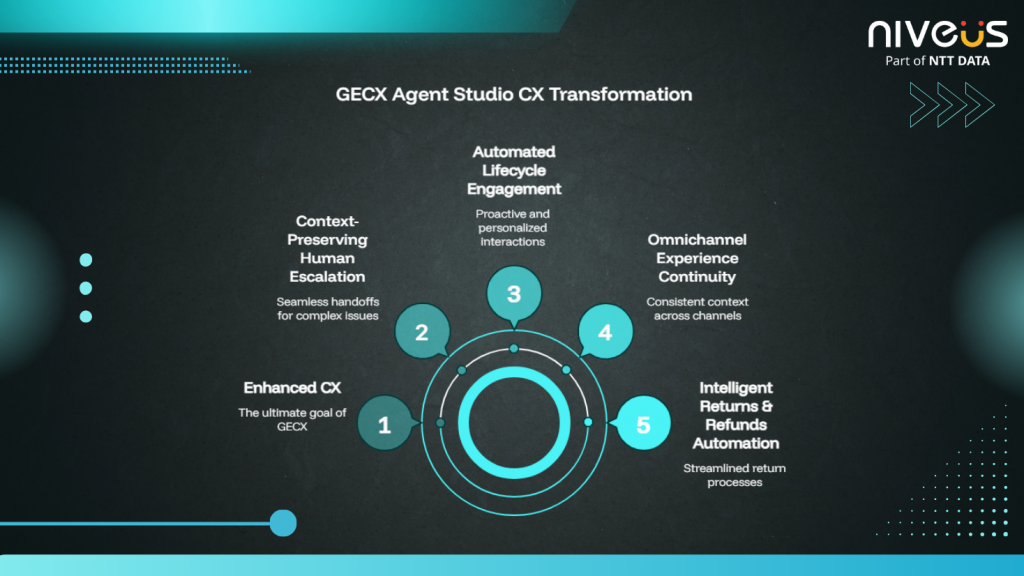
Fig 4: Visual Illustration of GECX Agent Studio CX Transformation
Real-World Use Case: Large Retail Supermarket Chain (Chatbot Modernisation)
A leading supermarket retailer with a high-volume digital customer base used a chatbot (“Olive”) to support key post-purchase and shopping journeys, including order tracking, refunds, product search, store locator, FAQs, and meal planning across web and mobile channels.
The existing system uses Dialogflow ES/CX and depends on rule-based, intent-driven flows, which limit conversational flexibility and require extensive manual maintenance. The system was migrated to Google Customer Experience Agent Studio, shifting from deterministic workflows to LLM-powered, generative conversational experiences across chat and voice channels.
The transformation enabled more natural customer interactions and improved operational efficiency, resulting in a 12% increase in containment rate from 68% to 80%, reduced support load, and greater consistency across customer touchpoints (Refer to Figure 5).
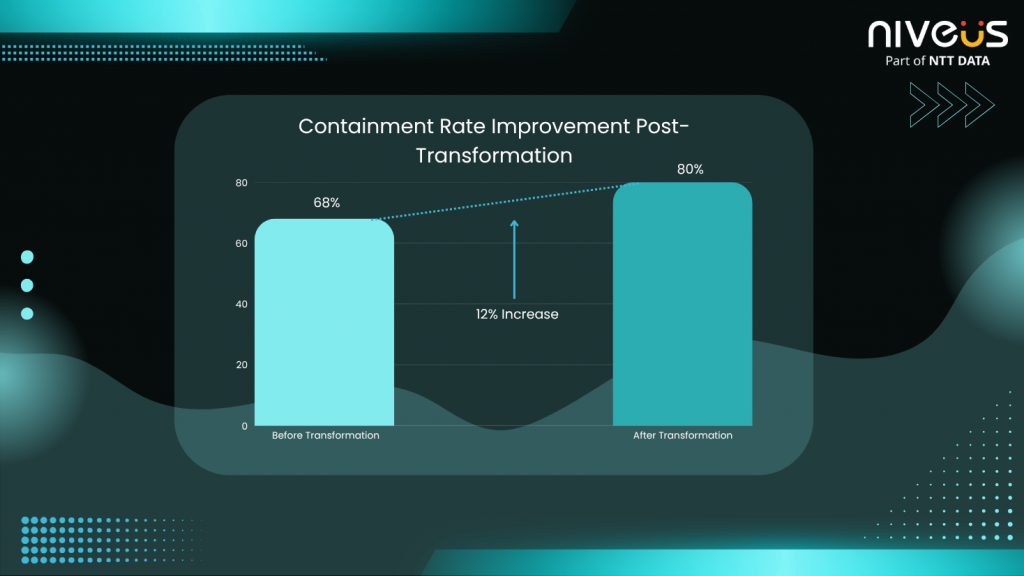
Fig 5: Visual Illustration of Containment Rate Improvement Post-Transformation
Conclusion:
Post-purchase is no longer the end of the customer journey; it is where long-term loyalty is earned or lost. Yet most enterprises still rely on fragmented, reactive systems that respond after problems occur rather than preventing them.
GECX Agent Studio changes this equation by enabling connected, context-aware orchestration across enterprise systems. The result is a shift from isolated issue resolution to continuous, intelligent customer lifecycle management.
Today, when experience is everything, companies win customers not by closing sales but by what they do for people after the sale.