

Over the past decade, DevOps has revolutionised the component processes of designing, deploying, and running corporate software, resulting in three major outcomes: faster delivery, greater reliability, and more effective automation. Today, with the advent of Kubernetes, multicloud environments, AI-based solutions, and complex security needs, DevOps faces new hurdles concerning scaling its deployments in enterprises. In this blog, we look at the distinctions between Platform Engineering and traditional DevOps, the reasons enterprises adopt it, and the main objectives companies should address to successfully scale their software delivery in 2026.
Explore the right platform strategy for your business.
Research indicates that by 2026, about 80% of the world’s leading software engineering companies are expected to have platform engineering teams, up from 45% in 2022. This indicates that developers must contend with the complexity of the existing software environment. When engineers use cloud service environments, including Kubernetes, as well as security and operational tools, companies face disconnected processes and an overload of cognitive demands on engineers. Platform Engineering helps solve this problem by establishing in-house platforms that unify the app development process and improve infrastructure management.
The Evolution of Enterprise Software Delivery
The formation of DevOps enhanced the interaction between software developers and IT operations. When Continuous Integration and Continuous Delivery (CI/CD), Infrastructure as Code (IaC), and automation emerged, organisations experienced a complete transformation in software deployment processes.
With the development of cloud technologies, process complexity in corporate environments has grown tremendously. Today, engineering teams face multiple challenges, including managing numerous microservices, many Kubernetes clusters, hybrid and multi-cloud environments, ever-changing compliance requirements, and rapidly evolving tools. In various organisations, each developer team member has their own methodology for deploying environments, making it very difficult to manage operational inconsistencies.
This has introduced new challenges, including:
- Growing Kubernetes complexity
- Increasing security and compliance requirements
- Toolchain sprawl across teams
- Cloud cost management concerns
- Slower developer onboarding
- Inconsistent deployment practices
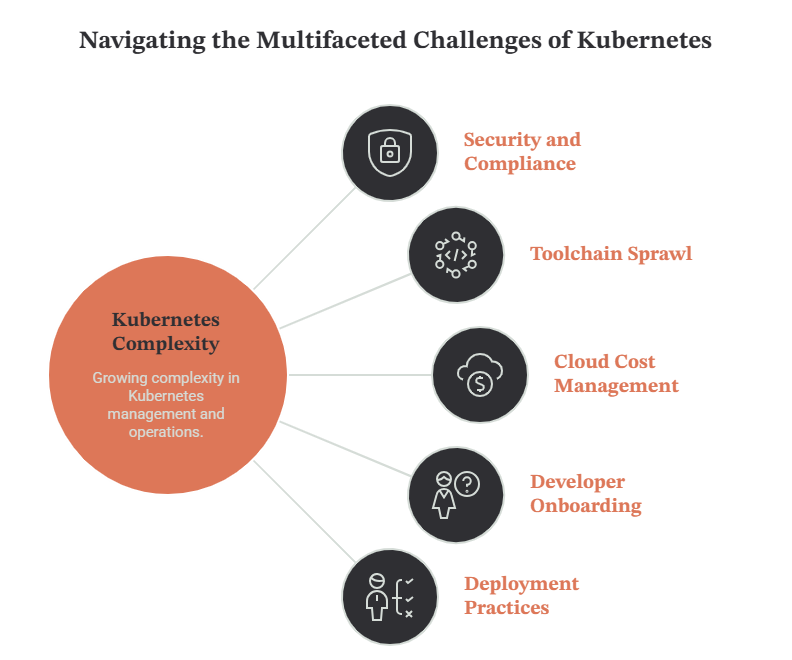
Fig 1: Visual Illustration of Unveiling the Dimensions of Autonomous Data Engineering
Many engineering teams now spend a surprising amount of time managing infrastructure, which often slows down software delivery and distracts from building great products.
Understanding Traditional DevOps
Traditional DevOps focuses on improving collaboration between development and operations teams while automating software delivery processes. Its core principles include Continuous Integration and Continuous Delivery (CI/CD), Infrastructure as Code (IaC), automated testing, and continuous monitoring.
DevOps teams typically manage:
- CI/CD pipelines
- Cloud infrastructure
- Monitoring systems
- Security integrations
- Deployment automation
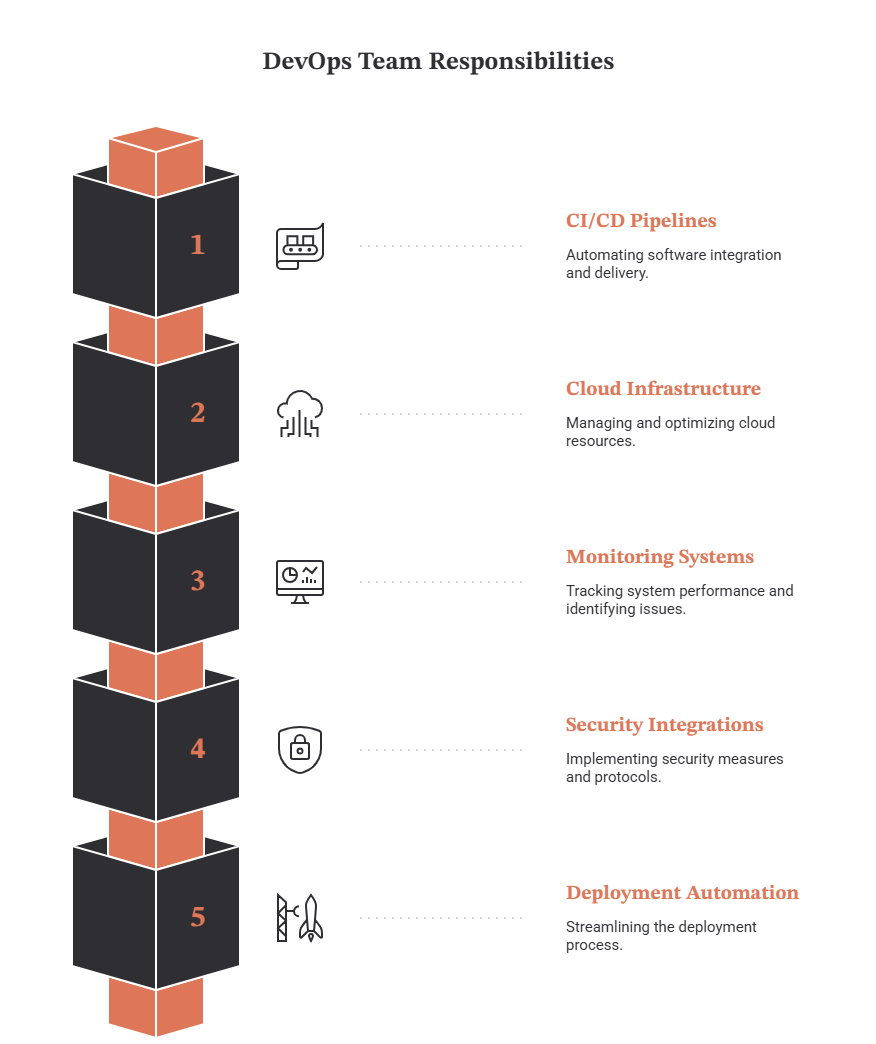
Fig 2: Visual Illustration of DevOps Team Responsiblities
This model can be effective in smaller companies, but as organisations grow, so do the challenges. Platform teams might support dozens or even hundreds of applications. Developers depend on them for infrastructure, deployments, and support, which can create bottlenecks, slow down onboarding, and make each team’s experience feel different.
What Is Platform Engineering?
Platform Engineering focuses on building reusable internal platforms that enable developers to self-serve infrastructure and operational capabilities. Rather than requiring every development team to manage infrastructure independently, platform teams create standardised services and workflows.
| Primary Focus | Collaboration and Automation | Developer Productivity and Self-Service |
| Team Structure | Shared DevOps Responsibilities | Dedicated Platform Team |
| Infrastructure | Direct Team Involvement | Platform Abstraction |
| Standardization | Team-Specific | Organization-Wide |
| Scalability | Moderate | High |
| Experience | Varies by Team | Consistent Across Teams |
| Security | Distributed | Centralized Guardrails |
| Efficiency | Process-Driven | Product-Oriented |
Why Enterprises Are Embracing Platform Engineering
As organisations grow, the priority shifts from just delivering software faster to delivering it consistently and securely at scale.
- Reducing Developer Cognitive Load: Platform teams create workflows that let developers focus on what matters, shipping features instead of worrying about infrastructure.
- Accelerating Onboarding: Internal developer platforms (IDPs) help new joiners contribute faster by providing clear, ready-made workflows.
- Strengthening Security: Platform teams can build security into deployment tools so compliance becomes part of the process, not an afterthought.
- Improving Operational Consistency: By giving teams shared templates and patterns, troubleshooting and maintenance become much more straightforward.
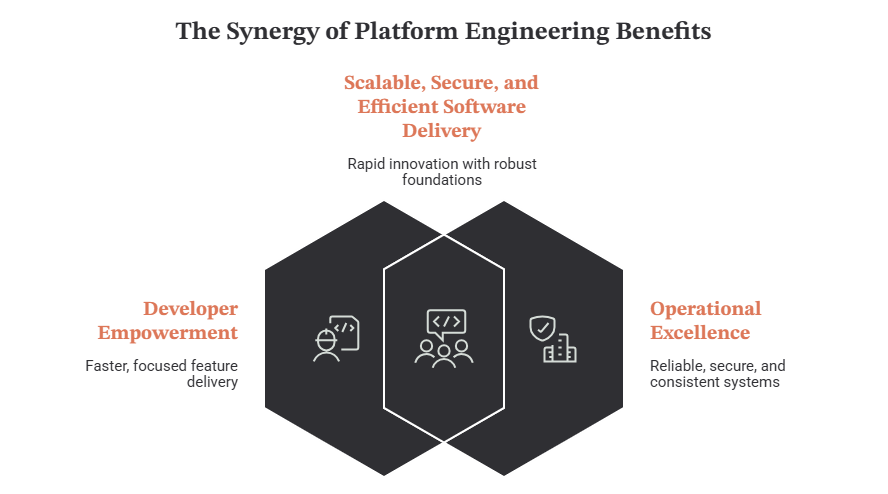
Fig 3: Visual Illustration of Synergy of Platform Engineering Benefits
Internal Developer Platforms (IDPs)
An IDP serves as a centralized platform that provides self-service access to infrastructure. Key capabilities include provisioning Kubernetes environments, deploying using standardised pipelines, and securely managing secrets. There are various technologies involved in the process, such as Kubernetes, Terraform, Argo CD, and Backstage.
The concept of Platform engineering should not be confused with the replacement of DevOps as such, it refers to how DevOps processes are being improved in modern organisations.
DevOps is a culture that encourages cooperation, shared accountability, automation, and continuous development. Platform engineering is built on this theory and entails creating platforms that enable the principles to be used successfully.
In brief, DevOps is the way teams work while Platform engineering relates to the development of tools, systems, and infrastructure enabling those principles to be applied.
What Enterprises Should Prioritise in 2026
Successful organisations in 2026 will focus on:
- Investing in Developer Experience (DevEx): Measuring and improving productivity.
- Building IDPs: Reducing operational bottlenecks via self-service.
- Adopting Golden Paths: Using standardised deployment patterns for governance.
- Embedding Security Early: Integrating policy enforcement into platform workflows.
- Leveraging AI-Driven Operations: Using AI to reduce operational complexity.
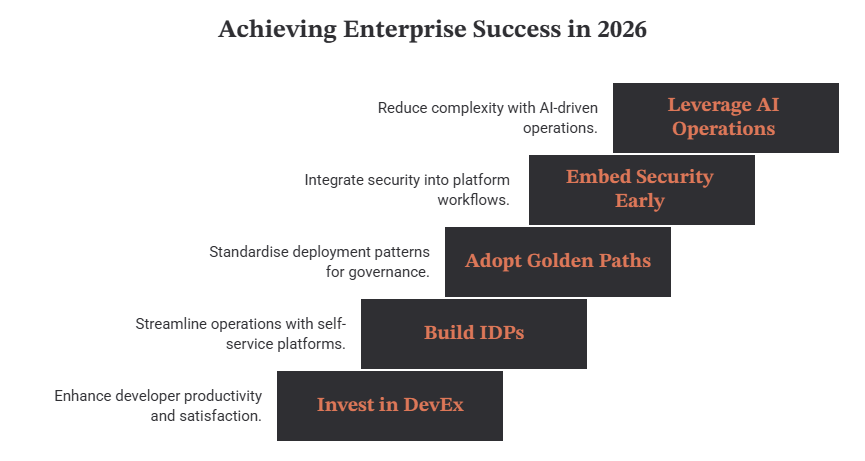
Fig 4: Visual Illustration of What Enterprises should look like in 2026
Conclusion
In 2026, the main issue will be how DevOps and Platform Engineering work together, not which one to choose.
DevOps establishes the culture of collaboration, automation, and continuous delivery. Platform Engineering implements those ideas in a way that allows them to be utilized in big and complex cloud environments. Thanks to self-service platforms, standard processes, and in-built governance, developers can move fast without additional risk.
Companies that invest in developer experience, platform standards, and intelligent operations will be able to build and release software in a secure, reliable, and scalable manner.